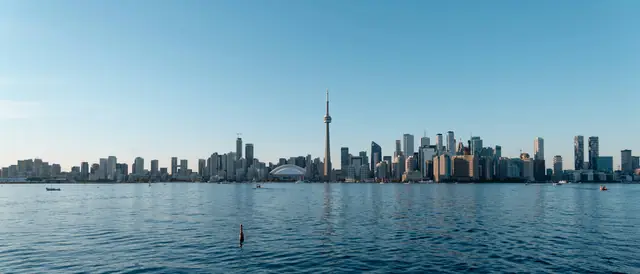
Toronto
The largest city, with the widest choice of courses and the highest rents.

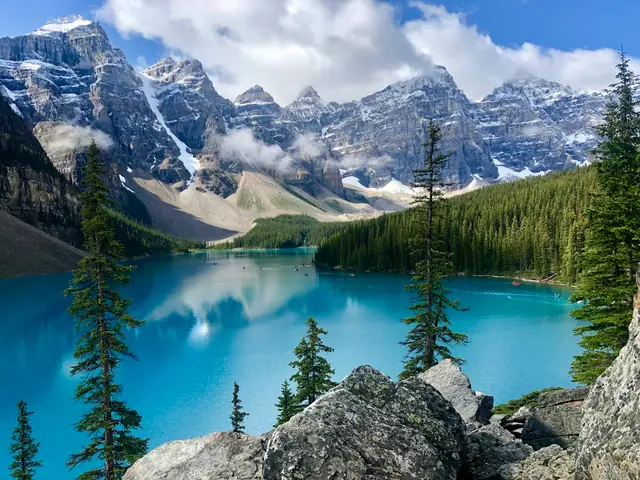
Canada
Universities and public colleges with practical, job-focused courses.
Main intakes
September, January and May
Work while you study
24
hours a week
Stay after you graduate
3
years
Typical tuition
CAD 16,000 to CAD 25,000 a year
Official sources
A Post-Graduation Work Permit can run for up to three years if your programme is long enough.
You may work up to 24 hours a week, and without a limit in scheduled breaks.
A college diploma is usually well below university tuition, and can lead into a degree.
You can study in English or French, and some cities use both every day.
1 September 2026
The living costs you must show rose on 1 September 2026, and you still need your first year’s tuition and your travel on top. Most applicants also need a provincial or territorial attestation letter, so check whether yours does.
Government of Canada: proof of financial support for a study permit Government of Canada: 2026 provincial and territorial allocations under the international student cap
Canada has research universities and a strong network of public colleges. College courses are shorter and practical, and many include a work placement. Some college credits can transfer into a degree.
Where each level can take you. Lengths are typical, not fixed.
usually 2 to 3 years
A college diploma is practical, costs less, and can lead into a degree.
usually 4 years
A four-year degree is the usual way into a master’s and into a longer work permit.
usually 1 to 2 years
A longer master’s can also open an open work permit for your partner.
usually 4 to 5 years
A doctorate is research work, usually four to five years.
Study options
Diplomas to postgraduate
What you usually need at each level.
Institutions accept IELTS, PTE Academic or TOEFL iBT. The institution sets the score, not us, so check the course page or ask us.
Typical, not a quote.
Tuition — Diploma
CAD 16,000 to CAD 25,000 a year
Tuition — Bachelor's degree
CAD 41,746 a year
An average across institutions, not a price for any one course.
Tuition — Master's degree
CAD 24,028 a year
An average across institutions, not a price for any one course.
Living costs
CAD 23,000 a year
This is the study-permit minimum rather than a budget.
Money you need to show for your visa
CAD 23,448 a year
Government of Canada: proof of financial support for a study permit
Health cover
Health cover rules vary. Ask us what your institution requires.
Government of Canada: guide 5269, applying for a study permit outside Canada
Public colleges generally cost less than universities. Ask us about college courses that can lead into a degree later.
Free student visa advice. We do not promise a visa, an offer or residence.
Many students work part-time. The rule is 24 hours a week while your course runs.
Language-only and general-interest courses generally cannot work off campus without a work permit.
Government of Canada: work off campus as an international student
When your course is not running, the hours limit does not apply.
Partners and children may be allowed in some cases, usually at higher study levels. Check the official page.
We could not confirm the position for children on an official page. Ask us before you plan.
Government of Canada: help your spouse or common-law partner work in Canada
You may be eligible to stay and work for up to 3 years.
Shorter programmes get less. Graduating from a designated learning institution does not by itself make your programme eligible, so check before you enrol.
Post-Graduation Work Permit
This is not a promise of work or residence. Some graduates later apply for a skilled or employer-sponsored visa.
September is the biggest start, with January and May starts at many institutions. Applications open well ahead of time.
Fill in one short form. It takes about five minutes, and it's free.
We check what you've studied, your English and your budget. Then we send you options that fit.
We send your course applications. Once you have an offer, we help prepare and send your student visa application.
We stay with you until you hear back. Then we help you get ready to go.
The largest city, with the widest choice of courses and the highest rents.

Milder winters than most of Canada, and housing is tight.
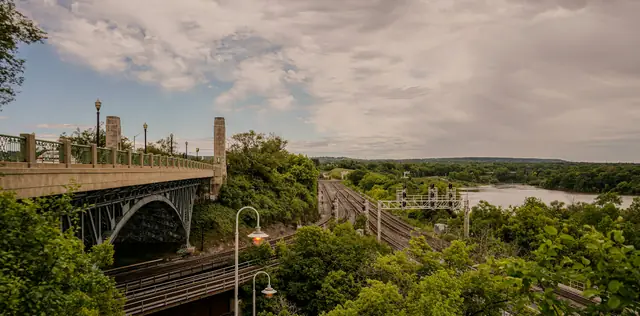
A harbour city an hour from Toronto, with lower rent than the city it sits beside.
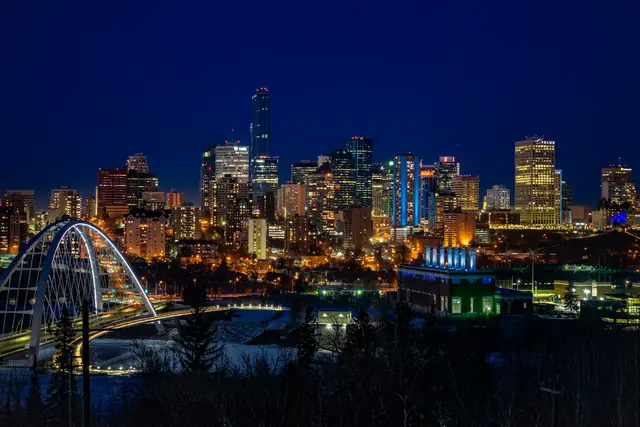
Alberta’s capital, with long cold winters and no provincial sales tax.
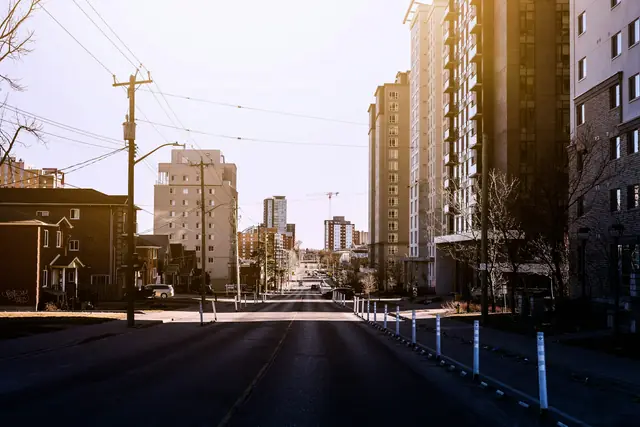
A small Ontario city known for engineering and the tech firms around it.
Next to Toronto and on the same transit network, with rent a little below it.
An eastern district of Toronto, cheaper to live in than downtown.
Where you could study
100 in total, including McMaster University, York University and University of Alberta.
No names match that. Try fewer letters, or ask us.
These courses get you ready for university study. They can be a good way in if you don't meet entry requirements yet.
Build your English before, or alongside, your main course.
This list is a guide to what we can help you apply to, and it changes. Each institution sets its own entry requirements, fees and courses.
General information only. Visa decisions are made by the relevant immigration authority.
Questions
General information only. Visa decisions are made by the relevant immigration authority.
Free assessment
Three short steps, about five minutes, and it is free. We look at what you have studied, your English and your budget, then send you options that fit.
General information only. Visa decisions are made by the relevant immigration authority.
What we ask
Your name, how to reach you and where you are now.
What you've studied, what you want to do next, and where and when.
Roughly what you can spend and who's paying. A range is fine.
Keep looking
General information only. Visa decisions are made by the relevant immigration authority.