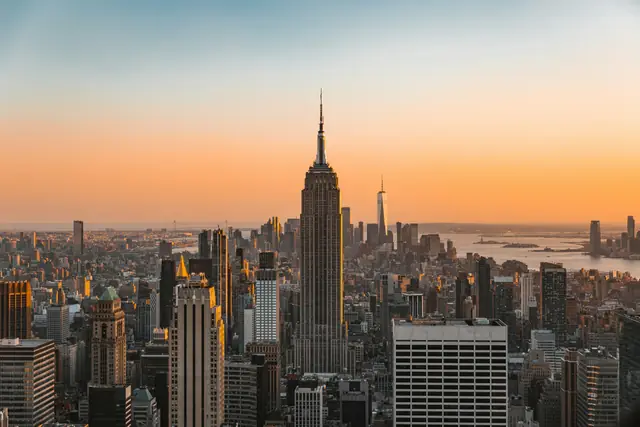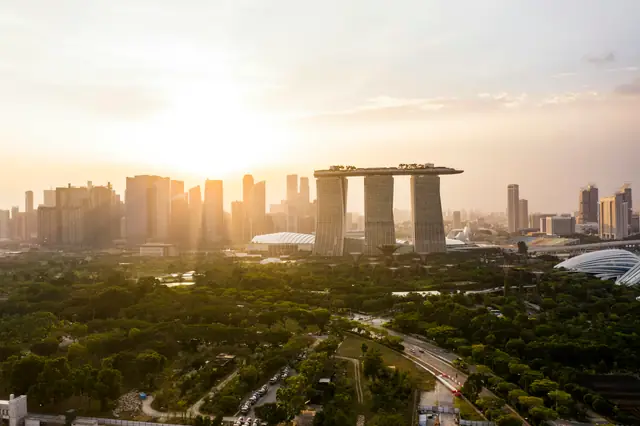

Auckland
The biggest city, and where most courses and part-time jobs are.

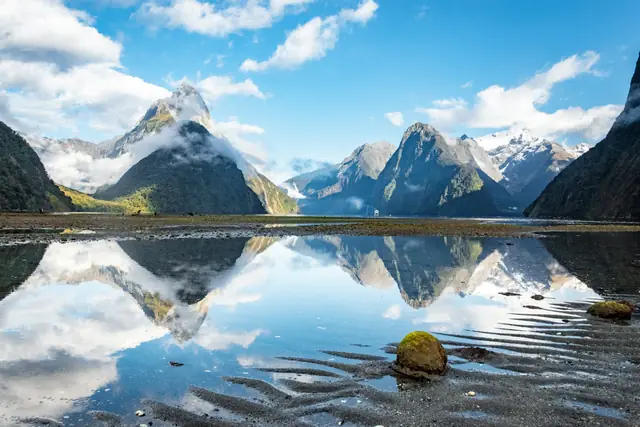
New Zealand
Small classes, practical teaching and a safe, friendly country.
Main intakes
February and July
Work while you study
25
hours a week
Stay after you graduate
3
years
Typical tuition
NZD 35,000 to NZD 55,000 a year
Official sources
You get taught in small groups, by people who have done the work.
If your course qualifies, you may work 25 hours a week during term.
After some qualifications you may be eligible to stay and work, with no job lined up first.
You can start at a diploma and step up later, at the same institution or another.
New Zealand is a safe, friendly country with eight universities and many colleges and institutes. Classes are small and teaching is practical. You can study anything from a diploma to a PhD.
Where each level can take you. Lengths are typical, not fixed.
usually 1 to 2 years
A diploma can lead into a degree, often with credit for what you have done.
usually 3 years
A degree is the usual way into a master’s, and into graduate work rights.
usually 1 to 2 years
A master’s opens doctoral study, and the longest post-study work option.
usually 3 to 4 years
A doctorate is research work, and PhD students have no limit on work hours.
Study options
Diplomas to postgraduate
What you usually need at each level.
Institutions accept IELTS, PTE Academic or TOEFL iBT. The institution sets the score, not us, so check the course page or ask us.
Typical, not a quote.
Tuition — Bachelor's degree
NZD 35,000 to NZD 55,000 a year
Living costs
NZD 18,000 to NZD 27,000 a year
Money you need to show for your visa
NZD 20,000 a year
Immigration New Zealand operational manual: funds for maintenance
Visa fee
NZD 265
Immigration levy, charged with the application fee.
Health cover
You must hold health insurance for your whole stay.
PhD students and New Zealand government scholarship holders are exempt.
Immigration New Zealand operational manual: medical and travel insurance
Institutes of technology and polytechnics often cost less than universities. Some offer diplomas that lead into a degree. Ask us about shorter, cheaper ways in.
Ask us for the current figure.
Free student visa advice. We do not promise a visa, an offer or residence.
Many students work part-time. The rule is 25 hours a week while your course runs.
This replaced a 20-hour rule in November 2025. An older visa that still says 20 hours may need a variation of conditions.
Immigration New Zealand: working on a student visa Immigration New Zealand: changes to student visa work rights
In scheduled breaks you may work full-time.
Not every course carries work rights. PhD students have no hours limit. Check your own visa.
Partners and children may be allowed in some cases, usually at higher study levels. Check the official page.
You may be eligible to stay and work for up to 3 years.
Immigration New Zealand: staying to work after your study Immigration New Zealand: how long you can stay on a Post-Study Work Visa
Post-Study Work Visa
This is not a promise of work or residence. Some graduates later apply for a skilled or employer-sponsored visa.
Most courses start in February or July. Some have a third start date. Popular courses fill early, so start applying six to nine months ahead.
Fill in one short form. It takes about five minutes, and it's free.
We check what you've studied, your English and your budget. Then we send you options that fit.
We send your course applications. Once you have an offer, we help prepare and send your student visa application.
We stay with you until you hear back. Then we help you get ready to go.
The biggest city, and where most courses and part-time jobs are.
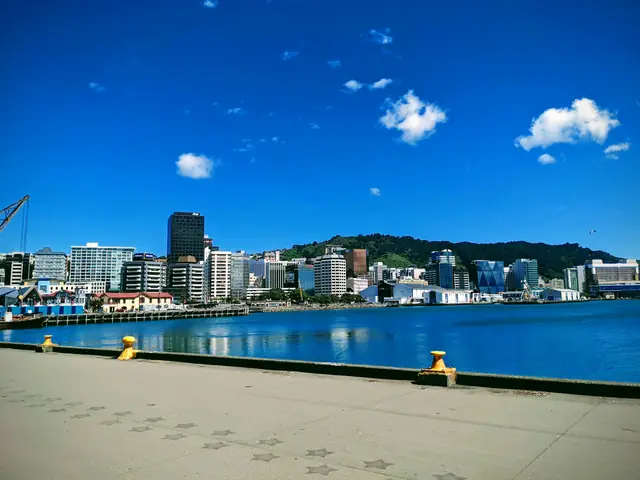
Smaller and walkable, with strong public-sector and film industries.

The largest city in the South Island. Much of the centre was rebuilt after the earthquakes, and rent is lower than in Auckland.
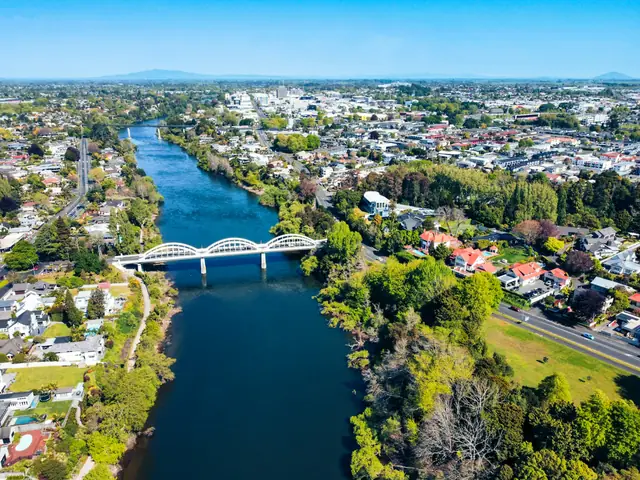
An hour and a half south of Auckland, on the Waikato River. Smaller and cheaper than Auckland.

A southern city where students make up a large part of the population. Winters are cold and flats are cheap by New Zealand standards.
A small North Island city built around its university. Rent is among the lowest in the country.
A small town outside Christchurch, built around its agricultural university. Quiet, and close enough to the city for work.
Students
The team at OneVisa EDU are very kind, they helped me through all of the process from the start up until I am here in Auckland. Forever grateful to have came across them.
I would like to thank everyone at OneVisa Education for helping me achieve my dream to study abroad.
Where you could study
44 in total, including The University of Auckland, University of Otago and University of Canterbury.
No names match that. Try fewer letters, or ask us.
Build your English before, or alongside, your main course.
This list is a guide to what we can help you apply to, and it changes. Each institution sets its own entry requirements, fees and courses.
General information only. Visa decisions are made by the relevant immigration authority.
Questions
General information only. Visa decisions are made by the relevant immigration authority.
Free assessment
Three short steps, about five minutes, and it is free. We look at what you have studied, your English and your budget, then send you options that fit.
General information only. Visa decisions are made by the relevant immigration authority.
What we ask
Your name, how to reach you and where you are now.
What you've studied, what you want to do next, and where and when.
Roughly what you can spend and who's paying. A range is fine.
Keep looking
General information only. Visa decisions are made by the relevant immigration authority.